By Victor Block
Visitors to Prescott, Arizona, watch a parade pass by, check out the displays at an arts and crafts show, then dance the night away. In Red Bluff, California, after enjoying a bountiful pancake breakfast, some visitors participate in a golf tournament while others test their culinary skills at a chili cookoff competition.
These varied activities, as appealing as they may sound, are secondary to the main reason that prompted travelers from near and far to take to the road. These people were more interested in the rodeo held each year in those towns. Horse-based events take place throughout the United States, attracting fans of equestrian-related pursuits along with those seeking to relive and recapture a bit of American nostalgia.
Cattle ranching in this country traces its beginning to early European immigrants who brought longhorns with them as well as to horse-mounted herders called vaqueros from Mexico. The abundant land in Texas provided perfect conditions for raising cows, and the men who rounded them up and drove them became known as cowboys. These hardy herdsmen developed riding, roping and wrangling skills that were essential for their livelihood, and rodeos began to offer opportunities to showcase their talents to each other and the public.
Early rodeos were informal gatherings of ranchers and cowboys that often took place on farms or in open fields. Since then they have evolved into more formal, extravagant and diverse affairs that in some cases have expanded well beyond their original format.
One example is the weeklong Prescott Family Days extravaganza held around the July 4 celebration. Tracing its start back to 1888 and claiming to be the oldest rodeo in the world, it offers the usual riding, roping and other skills closely related to ranching. Unexpected additions include wild horse races and competitions geared to children.
The entire town of Red Bluff becomes involved in what's touted as "America's largest three-day rodeo." Along with golf and cooking, guests can take part in a themed trail ride, and teachers at the local elementary schools conduct Western lifestyle tutorials for students. There also is a car show, bowling tournament, concert, street dance and more.
The National Western Stock Show and Rodeo has been held in Denver, Colorado, since 1906 at the location of a former 19th-century livestock market. Adding to the fun are livestock competitions and auctions, a Mexican Rodeo Extravaganza and acres of shops.
You might not associate New Jersey with the cowboy life, but the Cowtown Rodeo in Pilesgrove has been operating there since 1929. The self-proclaimed "Best Show on Dirt" boasts that it's the longest-running weekly professional rodeo in the country. It transports a taste of the West to the East each Saturday from May until September.
Boot-stomping line dancing makes the joint jump at the Fox Hollow Rodeo in Waynesville, Ohio. The usual activities are augmented by "mutton bustin'" (sheep-riding) for the younger set and a range of nibbles that include hamburgers and hot dogs, pretzels and popcorn. This indoor-outdoor arena operates year-round on Saturday evenings.
The past comes alive in a number of ways at the weeklong Bartow County Championship Rodeo in Cartersville, Georgia. For starters, the event dates back to 1910. At the same time, it offers a nod to the present in its "Tough Enough to Wear Pink" events at which attendees show their support for breast cancer research and treatment by donning attire in the pastel hue.
History also is repeated at the Pendleton Round-up in Oregon, which launched in 1910 as "a frontier exhibition of picturesque pastimes, Indian and military spectacles, cowboy racing and bronco busting." Along with parades, concerts and much more, it repeats a show originally staged in 1914 that relates the story of the town's founding and its roots in both tribal life and the Old West.
Native Americans have played an important role in the Pendleton Round-up scene for more than a century, which explains why they establish a teepee village at the site. Their most recent encampment was made up of some 300 teepees, making it the largest annual Native campsite in North America.
Despite its name, the Greeley Stampede in Colorado is as much an amusement park as a Western-themed venue. In the 1920s it was called the Greeley Spud Rodeo as a tribute to local potato farmers. Today it attracts more than 450,000 annual visitors with traditional rodeo events along with concerts, parades and thrill rides for youngsters.
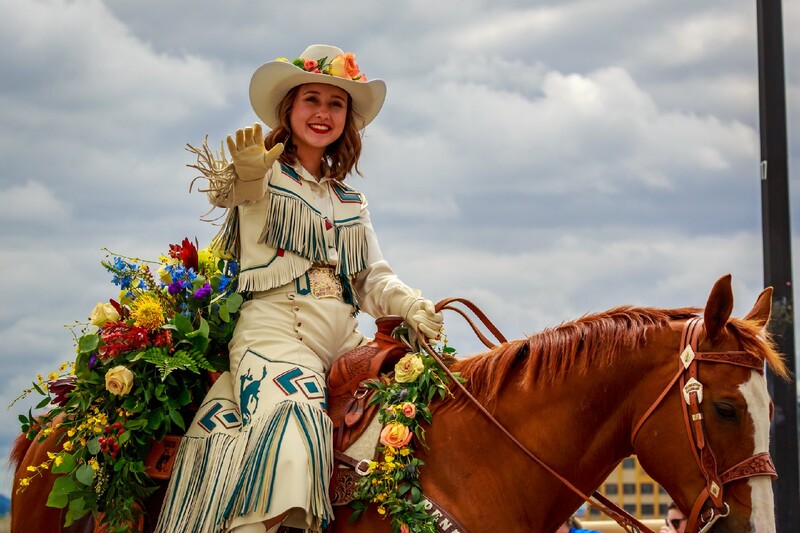
Children ages 6 to 8 are invited to Tea With the Queen, who is known as Miss Rodeo Colorado. This includes a crowning ceremony, tea and treats, photos and a ride in the daily parade.
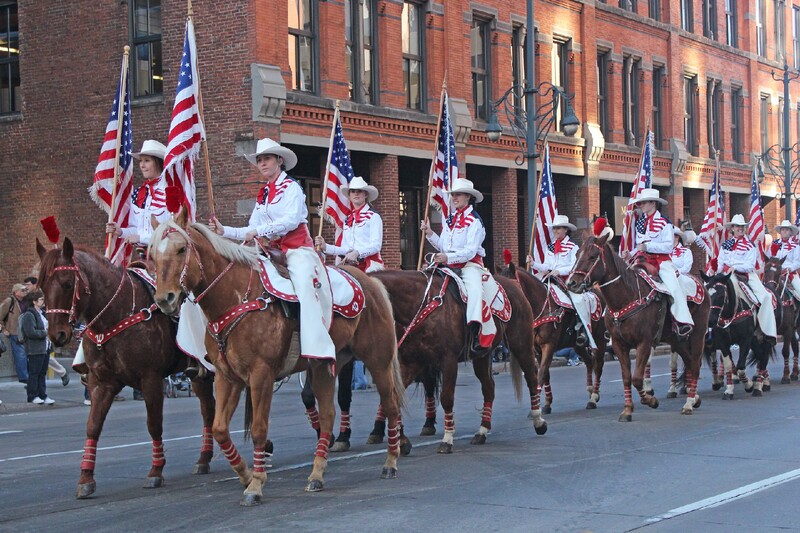
Rodeo royalty is not unique to Greeley. Since early days, the tradition of designated rodeo queens and cowboys has added a touch of glamour to the proceedings. They play a leading role in parades, interact with the public, and add a bit of tradition and charm to the setting. These rodeo monarchs represent yet another welcome — if somewhat surprising — addition to what began as a wild West scene.
WHEN YOU GO
For a list of rodeos throughout the United States: rodeosusa.com
Victor Block is a freelance writer. To read features by other Creators Syndicate writers and cartoonists, visit the Creators Syndicate website at www.creators.com.
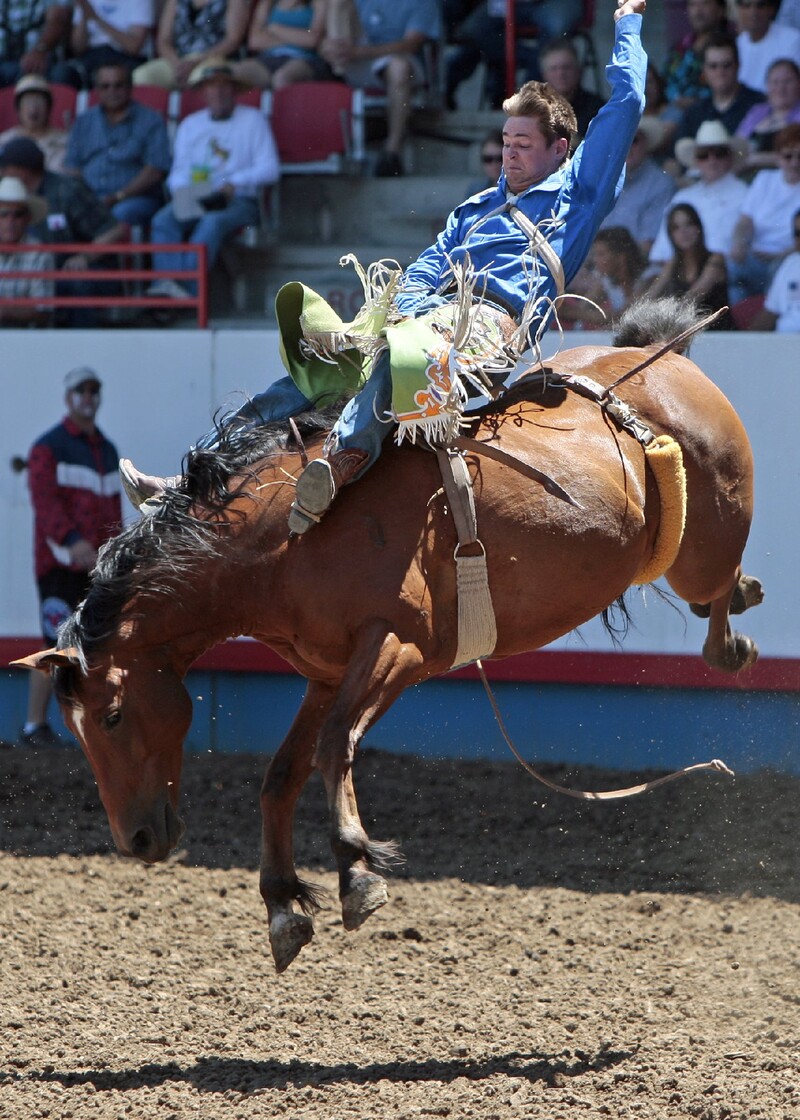
A bareback rider shows off his skill at the annual Greeley Stampede in Colorado. Photo courtesy of Lincolnrogers/Dreamstime.com.







View Comments