By Alison Ramsey
Known for the 630-foot Gateway Arch, St. Louis, Missouri, also offers first-rate cultural venues, a city park more than twice the size of New York's Central Park and unique neighborhoods. With more free attractions than any other U.S. city besides the capital, St. Louis combines budget-friendly accessibility with world-class culture and Midwest warmth.
Forest Park spans more than 1,300 acres of woodlands, prairies, waterways, trails, recreational spaces and cultural institutions. The park holds five major attractions: the Saint Louis Science Center, Saint Louis Art Museum, Missouri History Museum, Saint Louis Zoo and The Muny outdoor theater.
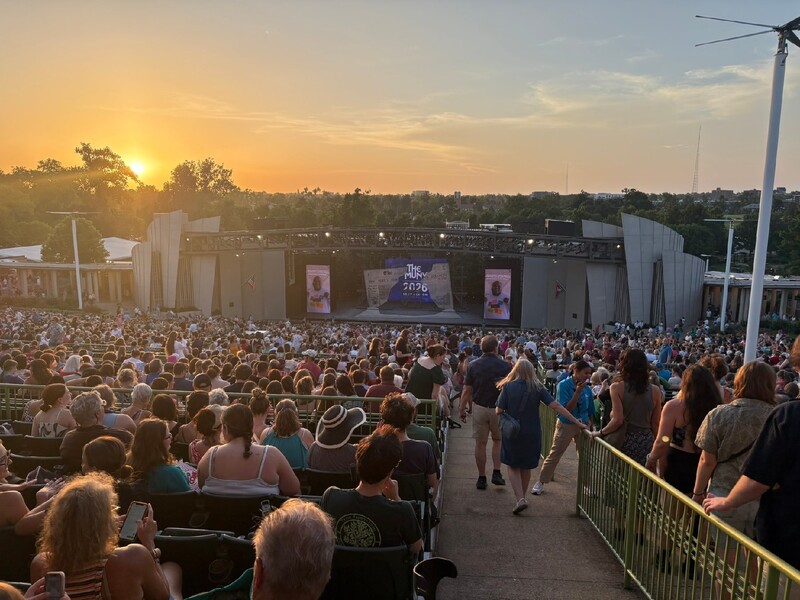
Forest Park's nonprofit Muny, the oldest and largest amphitheater in the United States, received the 2025 Tony Award for Best Regional Theatre. For more than a century it has anchored summer traditions with live music and theater, producing seven Broadway-caliber musicals in 10 weeks. To support access, nearly 1,500 free seats are offered nightly on a first-come, first-served basis.
The Muny has a unique opportunity to bring together large numbers of the community in a shared cultural experience.
"At The Muny, everything is done on a massive scale," said Gabe Hartwig, communications and public relations manager. "A traditional stage is around 50 feet wide; ours spans 120 feet. We can bring vehicles, animals and towering scenery onstage. And because there's no roof, we can feature fireworks, lasers, helicopters and even the majestic oak trees that frame the stage. ... It's a truly unparalleled experience: sitting under the stars with 11,000 other people, enjoying the collective effervescence of a Muny show."
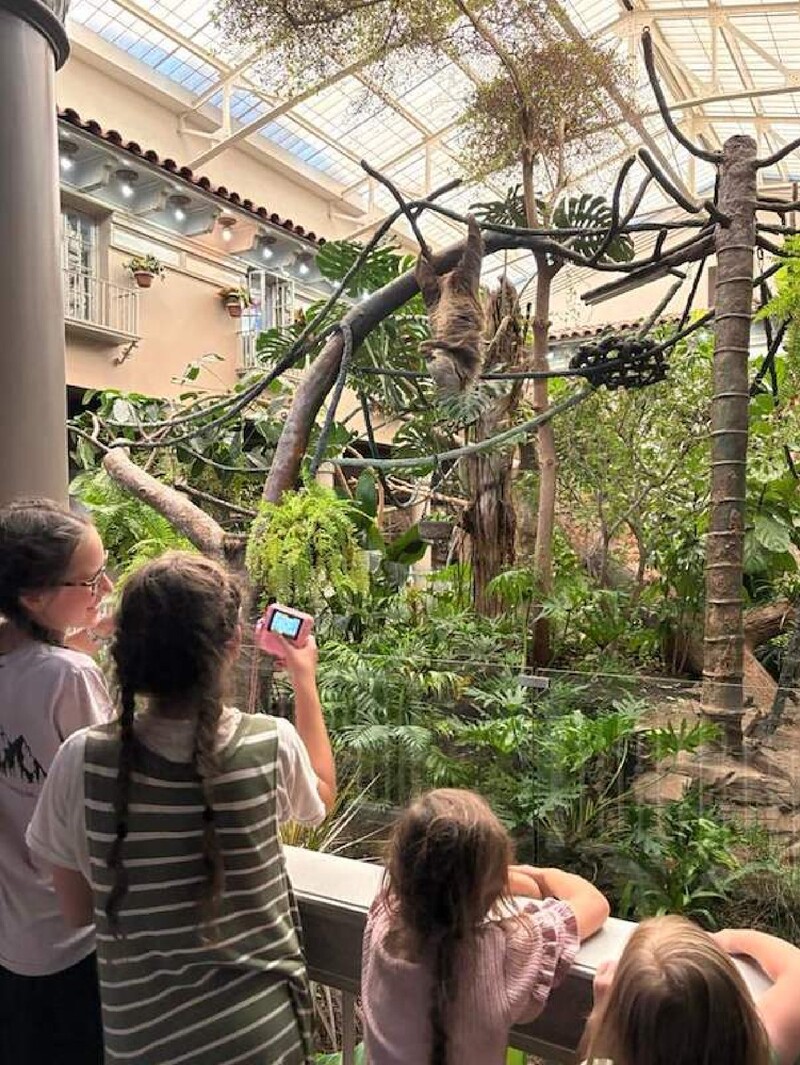
The Saint Louis Zoo is one of the country's only free zoos and is recognized worldwide for animal care, research, education and conservation. It features a new open-air sloth habitat with unobstructed views of Rolo and Pancakes, resident two-toed sloths. Walk beneath the bird sanctuary tree canopy, watch Asian elephants break up branches with their trunks, and observe gorillas chomping lettuce heads and lounging in rope hammocks.
"By keeping the zoo free and accessible for all and by creating an inclusive and welcoming environment for all guests, the zoo connects people to animals and encourages them to continue to learn about the natural world and living creatures," said Billy Brennan, director of public relations.
Clean and well organized, the zoo's spacious habitats hold 12,500 animals representing more than 450 species.
Fitz's Bottling Co. in the historic Delmar Loop serves Fitz's Root Beer, a St. Louis staple made from the original 1947 recipe. The crisp, creamy soda draws robust flavor from natural roots, barks and spices. Bottomless tap refills, cane-sugar craft sodas and towering ice cream floats accompany classic American fare in a two-story diner whose refurbished vintage bottling line turns out one bottle per second in view of diners.
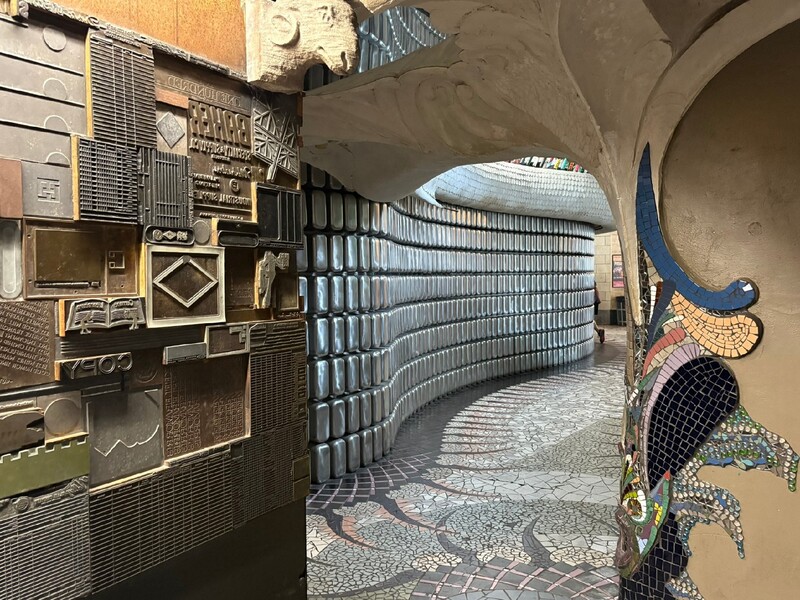
Downtown, the City Museum fills a 600,000-square-foot former shoe warehouse converted into a giant discovery playhouse using more than 29,000 repurposed artifacts, industrial objects and architectural items. Visitors can ride a 1920 antique carousel, test more than 30 slides, climb through caves, play vintage pinball and arcade games, and run the Skateless Park surrounding the World's Largest Working Pencil, a 76-foot-long pencil containing 4,000 pounds of graphite.
Recycled elements incorporated into the mazes and interior design include Twinkie pans from the former Hostess Co., empty Coca-Cola bottles, industrial syrup tanks, bridge trussing, giant gears and an auger. Outside the entryway, the MonstroCity jungle gym contains a rocket ship, bus, 3,000-pound praying mantis, spiral climbers, towers and bridges.
In the historic St. Charles district, Missouri's first permanent European settlement offers a warm Midwest welcome. At the confluence of the Mississippi and Missouri rivers, St. Charles was where Meriwether Lewis and William Clark docked in 1804 before heading west with the Corps of Discovery. An important port during expansion into the Louisiana Purchase, St. Charles also served as Missouri's first state capital.
St. Charles' brick Main Street is lined with cafes, gift shops, boutiques, historic buildings and potted blooms. Browse artisan shops selling handmade glass suncatchers, pottery, gardening decor, Southwestern Native American jewelry and artwork, and outdoors-themed hand-screen-printed clothing from Midwest adventure brand Happy Camper Clothing.
Lester's sports bar and grill lights up Ladue, a quiet inner-ring suburb west of downtown. The neighborhood spot pairs HD sports screens with brined and smoked barbeque, oversized New York-style deli sandwiches, and top-notch cocktails for happy hour or game day. Its "Reuben the Great" stacks tender extra-lean corned beef, melted Swiss, sauerkraut and Thousand Island dressing on grilled rye. A lively atmosphere and generous meals make it a local hotspot.
Budget-friendly attractions and unique cultural experiences await in this accessible, community-focused city.
WHEN YOU GO
For easy access to The Muny and zoo, stay at Hampton Inn & Suites St. Louis at Forest Park, within walking distance of restaurants and Comet Coffee's espresso drinks and fresh pastries.
Alison Ramsey is a freelance writer. To read features by other Creators Syndicate writers and cartoonists, visit the Creators Syndicate website at www.creators.com.
The hallway to St. Louis' City Museum's elevator is embedded with stainless steel buffet pans, architectural fragments, handmade mosaics from reclaimed tiles and antique letterpress printing plates salvaged from old print shops. Photo courtesy of Alison Ramsey.







View Comments