Armelle Bondonga Bradshaw was nervous walking into her final green card interview, but her husband Terrance assured her that it was all going to be fine. They had done everything the U.S. government had asked of them: completed the required medical and financial assessments, gathered their paperwork and even received approval of their marriage-based petition from the U.S. Citizenship and Immigration Services. Everything was in order and Armelle was prepared. She had her stack of papers in a file folder, organized and ready.
The couple had every reason to believe they were walking into the final step of a process that would allow Armelle to remain legally in the country she has called home since she was 9 years old.
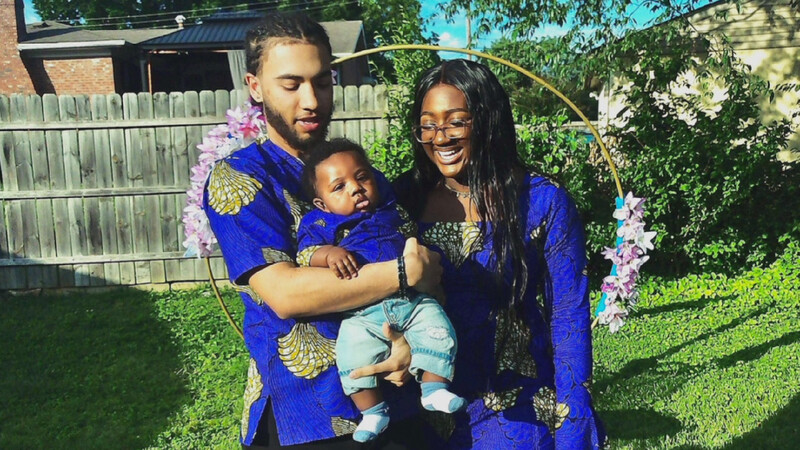
Three weeks later, I sat in their living room with Terrance, asking him the same kinds of questions that immigration had asked. The only difference was Armelle was sitting in an Indiana jail cell. Detained by Immigration and Customs Enforcement. Her 19-month-old son climbed into my lap and looked at himself in the camera on my phone.
Terrance and Armelle connected on social media in 2022, their paths crossing through the mysteries of an algorithm and a few shared interests. After talking virtually for a while, they met for dinner at Buffalo Wild Wings and then went to a movie. One date became two, weeks became months, and they fell in love.
Terrance learned that Armelle was born in the Democratic Republic of Congo and had come to the United States with her family when she was just shy of 9 years old. While her family navigated the complicated immigration system, Armelle grew up here. She went to school. She made friends. She found mentors. She built a life. By the time she and Terrance began dating, she was a college student.
They knew they wanted to spend their lives together, and Armelle's Congolese traditions were important to her. Terrance respected that. He understood that meeting her father meant more than an introduction; it was a step toward marriage.
In May 2025, Terrance participated in a traditional Congolese engagement ceremony called a pre-dot. He received Armelle's father's blessing in the presence of both of their families, who gathered to meet and bless their engagement. They set their wedding date for Dec. 1.
Terrance and Armelle also went to couples counseling together. Bates Memorial Baptist Church where they attend services connected them with Sonia Jackson-Suggs, a marriage and family therapist. Terrance and Armelle wanted to be the best spouses they could be for one another and so they were intentional about deepening their connection to build the life and loving family they both wanted.
Through all of this, Armelle's family asylum case was still working its way through the legal immigration process.
Now, this is the part of the story that confuses some people.
In November 2025, an immigration judge issued a removal order in the family's asylum case. The family appealed the decision, which was within their right to do. Therefore, the case continued through the legal process.
When Armelle married Terrance, their marriage meant that the family's asylum case no longer applied to her. Once married, Armelle pursued a marriage-based pathway to a green card as the spouse of an American citizen, and her marriage-based petition was approved by USCIS.
Armelle and Terrance had every reason to feel confident walking into that green card interview on Aug. 12. But after Terrance answered all of USCIS' questions, he waited with their baby in the lobby while Armelle was taken back for an interview. Armelle never came back out. Instead, they brought Terrance and their son back to say goodbye.
They clung to one another for the short time ICE allowed. Armelle sobbed, "my baby, my baby," while Terrance, feeling helpless, vowed to do everything he could to get her out of detainment.
They placed Armelle, who has no criminal history, in handcuffs while Terrance pushed their son in his stroller toward the exit. Her baby cried with the realization that his mama was not coming home with them.
Armelle and Terrance showed up every time the government asked them to. They answered questions, submitted to medical tests and endured financial scrutiny. They completed the paperwork. They followed the process. Officials say the green card appointment wasn't a trap. But what are families supposed to call it when the government tells them to appear for an immigration appointment and uses that appearance to take one of them into custody?
The United States government cannot have it both ways. The government cannot ask people to trust the process and then punish them for doing exactly that.
Armelle showed up.
Now she should be allowed to go home to her family.
Do you know anyone who's doing cool things to make the world a better place? I want to know. Send me an email at Bonnie@WriterBonnie.com. Also, stay in the loop by signing up for her weekly newsletter at WriterBonnie.com. To find out more about Bonnie Jean Feldkamp and read features by other Creators Syndicate writers and cartoonists, visit the Creators Syndicate website at www.creators.com.







View Comments